

Feature Article

Najlepsze laktatory muszlowe w 2026 roku: swoboda bez użycia rąk dla zapracowanych mam

Ekskluzywny Harmonogram Pompowania (KPI – karmienie piersią inaczej): Wszystko, co Musisz Wiedzieć

Breastfeeding with Small Boobs: Does Breast Size Affect Milk Supply?

Breastfeeding with Small Boobs: Does Breast Size Affect Milk Supply?
Latest Article

How Often to Feed Newborn at Night: A Complete Survival Guide for Tired Parents
In this article, we will cover the detailed manual that describes the feeding schedule by age, when to wake up your newborn, how new babies can sleep long without eating and the differences between breastfeed and formula, infant signs of hunger, sleeping habits and some of the tricks you can use to make night feeding easier and less stressful.
Breast Milk Storage After Pumping: The First Steps That Protect Milk Quality
Breast milk storage is simple with this guide to safe handling. Follow the 4-4-24-2 rule for room temperature, fridge, and freezer times to protect your milk's quality.

Pumping at Work for the First Time: What Nobody Tells You Before Day One
Pumping at work for the first time doesn't have to be stressful. Get a practical checklist for your first day back, with tips on your rights, schedule, and milk storage.

How to Store Breast Milk Safely at Work Without a Dedicated Fridge
Store breast milk at work safely, even without a fridge. This guide provides a simple routine using insulated coolers, ice packs, and proper labeling for your peace of mind.
Why Your Milk Output Drops When You Return to Work and How to Fix It
Milk output drops when returning to work are common but fixable. Get practical advice on creating a pumping schedule, ensuring correct flange fit, and using simple routines to boost supply.
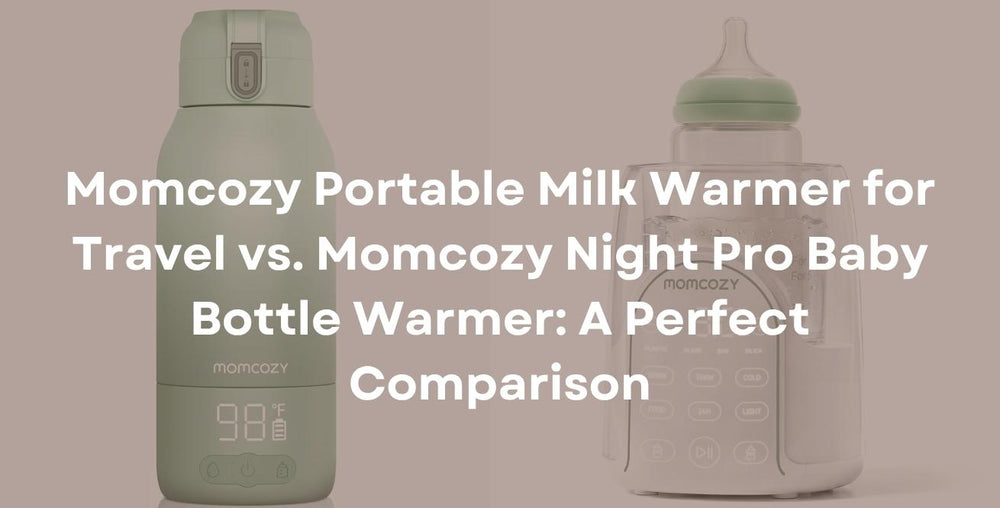
Momcozy Portable Milk Warmer for Travel vs. Momcozy Night Pro Baby Bottle Warmer: A Perfect Comparison
In this article, we will cover the comparison of the Momcozy NightPro Baby Bottle Warmer vs. the Momcozy Superfast Portable Breast Milk and Water Warmer. We have a dissection of the difference between the heating technology, temperature, portability, battery life, speed and special features.

Nipple Cream for Breastfeeding: How to Relieve Sore Nipples from Breastfeeding
Nipple pain usually makes mothers stop breastfeeding sooner than they had planned to. Usually with the proper assistance and care, it can be dealt with. A simple and convenient way to take care of your nipples is using a nipple cream for breastfeeding. This guide explains why nipple pain happens, how to relieve it, what nipple cream actually does, and how to choose the right one. Furthermore, it introduces how Momcozy’s nipple cream products can provide basic protection and advanced comfort support. 1. Why Breastfeeding Causes Sore and Cracked Nipples The nipple area is highly sensitive. Early feeding patterns can create repeated friction and pressure before the skin has fully adapted. 1.1 The Most Common Types of Nipple Pain and Causes Nipple pain during breastfeeding comes in multiple identifiable patterns which each result from distinct reasons. The three most common types of nipple pain include: Cracked nipples - Nipples crack when the skin is repeatedly rubbed and abraded. Usually, a shallow latch or from a pump flange that doesn’t fit properly are the main reasons. You may notice skin splitting, redness, or a tiny bit of bleeding after feeding. Burning - Breastfeeding friction, together with skin sensitivity and thrush-related irritation, can cause this initial breastfeeding experience. The sensation develops into stinging, which produces a raw feeling and generates heat during the feeding process and after. Engorgement pressure - Breast milk accumulation creates breast swelling which increases nipple area pressure. The result is a heavy, tight discomfort that can make feeding more painful. Various kinds of nipple pain are due to separate root causes, and therefore the effective treatment is a combination of improved feeding techniques and the use of nipple cream and other supportive treatments. 1.2 When Nipple Pain Is Most Likely to Happen Most nipple discomfort appears during predictable phases: First 2–4 weeks postpartum: This is when latch is still being established and the skin is not yet conditioned for frequent feeding. Teething stage: Baby’s latch and bite pressure may change, increasing friction. Frequent or marathon feeding periods: Longer or more frequent sessions can create cumulative irritation over time. These are not signs that something is wrong, but they are signs that your skin is adjusting to a demanding new rhythm. 2. How to Relieve Sore Nipples from Breastfeeding Protection, healing support, and small technique adjustments create relief from nipple discomfort. The primary function of nipple cream for breastfeeding requires it to be used together with a few simple habits. The effective methods to decrease nipple discomfort include: 1. Apply nipple cream after every feed: A quality nipple cream creates a barrier on the skin during its window for natural repair, which can help reduce the amount of friction you feel between breastfeeding sessions. If you’re wondering how to soothe a sore nipple, constant application of the cream is an effective treatment for your sore nipple day to day. 2. Check latch and positioning: An improper latch leads to discomfort after feeding sessions. Nipple cream provides skin protection, yet it fails to treat more serious issues. A lactation consultant can assist with positioning changes until the soreness subsides. 3. Air dry after feeding: Air drying before application of cream is suggested in order to minimize moisture trapped at the nipple, which leads to greater irritation. It helps prevent chafing or clothes sticking to your breasts. Once the skin is dry, a thin layer of cream can be applied to help protect the skin. 4. Check pump flange fit: An incorrect flange size can cause repeated friction damage during pumping. In this case, nipple cream for pumping can also act as a protective lubricant. Momcozy’s NM001 is especially useful here, as it can double as a pump flange lubricant while supporting skin repair. 5. Warm or cool compress: Warm compresses before feeds can help with milk flow and early nipple pain. Burning sensations can be soothed with cold compresses after feeding. The momcuzy.comfortNip Nipple-care Cream Pen lets users achieve comfortable cycles through its warm and cool modes. These measures, taken as a whole, can both relieve short-term pain and provide longer-term healing, especially for those looking into how to heal cracked nipples fast or reduce ongoing soreness. 3. What Does Nipple Cream Do — And When Should You Use It Nipple cream is often underestimated, but its role in breastfeeding care is very practical. It is not just about comfort, but also about protecting the skin during repeated stress. 3.1 What Nipple Cream Actually Does Adding a protective barrier - Nipple cream reduces friction during feeding and pumping by forming a protective layer over the skin. It helps prevent further irritation. That said, you can use nipple cream as a lubricant for breast pump flanges. Aiding in skin hydration - Nipple creams’ protective barrier also helps hold moisture in the skin. That helps prevent dryness which leads to cracked nipples. That said, nipple cream allows the skin to heal and the nipple to recover without discomfort. Soothing the user - Nipple cream application can relieve burning, tingling and pulling sensations associated with dryness. It leads to improved daily comfort and improved breastfeeding experience. Understanding what does nipple cream do often comes down to how consistently it is used during breastfeeding and pumping. 3.2 When to Start Using Nipple Cream Using nipple cream from day one is advisable. You don’t want to wait for discomfort to appear before considering it. By using nipple creams early, you help prevent dryness and friction damage. Preventing these potential problems helps create a better breastfeeding experience. That said, apply a thin layer of cream after every feeding and pumping session. Most nipple creams are safe for babies to ingest, unless a warning is stated in the packaging. That said, you don’t need to wipe many of them before your next feeding session. 3.3 Thick Occlusive Nipple Cream vs. Lightweight Fast-Absorbing Nipple Cream Nipple creams are not all the same. The table below highlights the differences between thick occlusive nipple creams and lightweight, fast-absorbing nipple creams: 4. Lanolin vs. Lanolin-Free Nipple Cream — Which Is Right for You? Choosing between lanolin and lanolin-free options depends on skin sensitivity, preference, and feeding routine. 4.1 What Is Lanolin Nipple Cream? Lanolin is a waxy substance that comes from sheep’s wool. Lots of nipple care products use it to treat very dry or cracked skin thanks to its very occlusive property. Lanolin is in-fact the most common ingredient in nipple creams. However, research shows that lanolin can cause allergic reactions in certain people and the substance is now recognized as a possible contact allergen in skincare use. Lanolin was declared the “Allergen of the Year” in 2023 by the American Contact Dermatitis Society. 4.2 Why Some Moms Choose Lanolin-Free Nipple Cream? A growing number of mothers prefer lanolin free nipple cream because it offers: Lighter texture - The lanolin free nipple cream delivers a non-sticky sensation which enables users to apply it multiple times during their daily routine. Faster absorption - This nipple cream quickly penetrates the skin which facilitates easier application between breastfeeding sessions. Plant-based formulation - The product contains no animal ingredients which some mothers choose to avoid based on their individual preferences or allergy constraints. Effective ingredients like olive oil, calendula, and sunflower seed oil help keep the benefits of the lost ingredients. Pump-friendly use - It produces minimal residual material which simplifies pump operation and breast pump cleaning tasks. 5. How to Choose the Best Nipple Cream for Breastfeeding The best nipple cream is not one-size-fits-all. It tends to be more specific. It depends on your feeding pattern, skin sensitivity, and comfort preference. 5.1 Choose by Repair Style and Texture Nipple creams have different textures because they serve different purposes. The repair-focused nipple creams have a thicker texture because they create a stronger protective barrier on the skin. They work best for treating dry skin that has developed cracks and has visible wounds because they provide the necessary protective shield. These work great for pumping, as they help reduce friction, which causes discomfort. On the other hand, the skin can absorb lightweight nipple cream more quickly while delivering less greasy sensation. These creams work better for mothers who breastfeed frequently because they need to apply the product multiple times during the day. 5.2 Choose by Feeding Pattern Use your feeding style to determine which nipple cream may be best for you. Do you feed your baby continuously throughout the day? If so, use a lightweight nipple cream that absorbs quickly into your skin. It will help avoid buildup. Meanwhile, breastfeeding mothers who take extended time gaps between feedings will benefit more from using a thicker repair cream which provides longer-lasting protection. 5.3 Choose by Application Experience Some moms prefer a classic hands-on nipple cream they can apply directly with their fingers. This approach allows users to follow a standard routine and decide the amount of product which they want to use and the areas where they want to use it. Others prefer a more modern solution which uses touch-free application because it provides faster results while maintaining better cleanliness after each feeding session. They want a formula which produces minimal stains on their clothing and pump components especially when they need to apply nipple cream multiple times throughout the day. 6. Which Momcozy Nipple Cream Is Best for Your Breastfeeding Needs Momcozy offers three different options designed to match different needs, from simple barrier repair to advanced comfort support. 6.1 Momcozy Classic Nipple Cream for Barrier Repair The Momcozy Classic Nipple cream features a very clean formula that’s perfect for sensitive skin. It has no beeswax and lanolin and is made with 6 effective plant-based ingredients instead. One of its ingredients, shea butter, helps seal moisture in. That reduces transepidermal water loss. Meanwhile, calendula flower extract helps treat sore and cracked nipples. The plant oils like olive oil in the formula help improve the skin barrier and make the skin soft. The Momcozy Nipple Cream’s short list of plant-based ingredients ensure it is nursing-safe. It does not need to be wiped off before breastfeeding. It also doubles as a pump flange lubricant, making it especially useful for moms balancing breastfeeding and pumping routines. [product_shortcode_1] 6.2 momcuzy.comfortNip Cooling Comfort Nipple Cream for Frequent Breastfeeding Suppose you find finger application unhygienic, or you dislike the sticky feel of traditional nipple creams, you might like the momcuzy.comfortNip™ Nipple Cream. This one finishes absorbing in about 30 seconds, leaving you with no greasy feel. Its standout feature is the ceramic applicator, which provides a cooling touch experience after feeds. Additionally, this applicator allows for contact-free, one-hand application. This is especially helpful for busy, hands-full feeding. Therefore, it is not messy and also prevents irritation while you are applying the cream. It is ideal for burning or post-feed sensitivity. [product_shortcode_3] 6.3 momcuzy.comfortNip Multi-Care Cream Pen for Frequent Nursing and Comfort This sophisticated system is designed for moms who find traditional nipple creams don’t fully relieve the pain. Nipple soreness often comes from root causes like poor latch, inefficient milk flow, or strong pulling from pumping. It is not just surface damage. momcuzy.comfortNip Multi-Care Cream Pen combines a fast-absorbing nipple cream with device-based care that works at the source. The 59°F (15°C) cooling mode delivers instant relief for burning. The gentle warming mode helps trigger let-down reflex and support milk flow. The vibration mode mimics baby’s sucking to improve lactation efficiency and help empty the breast more effectively. Together, it supports both immediate comfort and deeper recovery. This is beyond what a single nipple cream alone can do. [product_shortcode_2] Nipple Cream FAQ Can I Use Nipple Cream Before Breastfeeding or Only After Feeds? Mothers commonly use nipple cream after feeding. It helps alleviate the pain and burning sensation that intensify after the feeding sessions. If you are using a nursing-safe or non-rinse formula, though, you can start your next breastfeeding session without wiping it off. And when it comes to pumping, applying beforehand helps reduce friction and discomfort, so it is recommended. How Often Should I Apply Nipple Cream while Breastfeeding? Apply nipple cream after every feed or pumping session when your nipples feel sore or dry. Apply it often as that is more effective than applying large amounts of cream at once. Regular use helps maintain a protective barrier that prevents further irritation. What Ingredients Should I Look for in a Nipple Cream for Breastfeeding? Look for simple, nursing-safe formulas with plant oils and shea butter. Lanolin is okay if your skin tolerates it, but many moms prefer lanolin-free nipple cream for a lighter texture and lower irritation risk. Additionally, short ingredient lists are often better for sensitive skin. It helps you avoid substances that can trigger allergies or irritation. Can I Use Nipple Cream while Pumping? Yes. Nipple cream for pumping helps reduce friction from pump flanges and protects sensitive skin during longer sessions. Momcozy nipple cream can also be used in pumping routines to improve comfort between pumping cycles without leaving a heavy residue. Which Nipple Cream is Best for Sensitive Skin? If you have sensitive skin, consider lanolin-free nipple cream with minimal ingredients and no fragrance. Creams like this, like the Momcozy Classic Nipple Cream, lowers the chances of triggering allergic reactions. Then, if you want more comfort, consider products like the ComfortNip Cooling Comfort or Multi-care Cream Pen. Their cooling, warming, and vibration features help alleviate soreness and other types of discomfort sensitive skin are susceptible to. When Should Sore Nipples from Breastfeeding be Checked by a Professional? Seek help if pain is severe, persistent beyond early breastfeeding weeks, or if nipples are bleeding or not improving. Ongoing pain during every feed may indicate latch issues or conditions that require professional assessment. Conclusion Nipple pain during breastfeeding has clear causes, from latch and friction issues to sensitivity during the early weeks, but it is usually manageable with the right care and consistency. Nipple cream remains one of the most effective tools to relieve nipple pain, protect the skin, and support healing, but the right formula matters for comfort, absorption, and everyday use. In the end, choosing the right nipple cream for breastfeeding comes down to ingredient preference, the severity of discomfort, and how you feed or pump throughout the day. If you want to narrow down your choices, explore Momcozy’s nipple cream lineup, which includes Classic Nipple Cream, ComfortNip Cooling Comfort Nipple Cream, and ComfortNip Multi-Care Cream Pen. They are designed for different use cases, so every mom can find a use for one of them. References U.S. Department of Agriculture. Engorgement [Internet]. WIC Breastfeeding Support; 2021 [cited 2024 Feb 12]. Available from: https://wicbreastfeeding.fns.usda.gov/engorgement Alshakhs FH, Katooa NE, Badr HA, Thabet HA. The Effect of Alternating Application of Cold and Hot Compresses on Reduction of Breast Engorgement Among Lactating Mothers [Internet]. Cureus; 2024 Jan 28 [cited 2024 Feb 12]. Available from: https://pmc.ncbi.nlm.nih.gov/articles/PMC10899808/ Johnson H, Norman T, Adler BL, Yu J. Lanolin: The 2023 American Contact Dermatitis Society Allergen of the Year [Internet]. Cutis; 2023 Aug [cited 2024 Feb 12]. Available from: https://pubmed.ncbi.nlm.nih.gov/37820332/ National Institute of Child Health and Human Development. Calendula - Drugs and Lactation Database (LactMed®) [Internet]. Bethesda (MD): National Library of Medicine; 2021 Oct 18 [cited 2024 Feb 12]. Available from: https://www.ncbi.nlm.nih.gov/sites/books/NBK501857/
Breast Pumps for Moms: Which Pump Fits Your Everyday Routine?
A good breast pump for moms should not only match your milk output, but also fit your daily life. Some moms want to pump occasionally after nursing, while others are building a freezer stash, returning to work, or combining breastfeeding and bottle-feeding. This guide explains what matters when choosing a breast pump, which features are truly helpful, and which Momcozy breast pump fits which situation. Quick answer: Which breast pump is right for which mom? The right breast pump depends on whether you mainly want to pump discreetly on the go, pump regularly as part of your daily routine, or adjust your pumping routine very precisely. For especially discreet pumping, the Momcozy Air 1 Ultra-slim Breast Pump is a good fit because, according to the product page, it offers an ultra-slim 2.4-inch profile, wireless charging, quiet and smart features, and app-supported control. For moms who want a comfortable wearable pump with app control, 3 modes, 9 suction levels, and up to 6 sessions per charge, the Momcozy M5 Smart Wearable Breast Pump is a well-balanced option. If high customization, 15 intensity levels, -300 mmHg suction, a 42 dB noise level, and personalized app rhythms are the priority, the Momcozy Mobile Flow™ Hands-Free Breast Pump M9 may be the best fit. Situation Recommended Momcozy Breast Pump Why it fits Discreet pumping at the office or on the go Momcozy Air 1 An ultra-slim design, wireless charging, app features, and quiet pumping support flexible use in everyday life. Regular pumping at home and away from home Momcozy M5 Smart 3 modes, 9 suction levels, app control, and fewer parts to clean make it practical for daily use. A personalized pumping routine with high efficiency Momcozy Mobile Flow M9 15 intensity levels, -300 mmHg suction, app rhythms, and 42 dB operation suit moms who want finer control. When do moms actually need a breast pump? A breast pump is not absolutely necessary for every mom, but it can be very helpful during many stages of breastfeeding. Moms often use a pump when they want to store breast milk, when the baby temporarily does not feed effectively, when they return to work, or when another caregiver needs to offer a bottle. A pump can also make routines more predictable when families combine breastfeeding and bottle-feeding. At the same time, a breast pump does not replace individualized lactation support if you have pain, sore nipples, recurring clogged ducts, or uncertainty about milk supply. For medical questions, moms should involve an IBCLC, lactation consultant, midwife, doctor, or other qualified healthcare provider. For everyday life, however, the right pump can create more freedom because it makes breast milk more flexibly available. What types of breast pumps are available? Breast pumps for moms can generally be divided into manual, electric, wearable, and hands-free models. Manual pumps may be enough for occasional pumping, but they require hand effort. Traditional electric pumps are powerful, but often less discreet. Wearable and hands-free breast pumps are designed to be worn inside a bra and allow more freedom of movement. Pump type Best for What to look for Manual breast pump Occasional pumping Affordable and simple, but less comfortable for regular use. Electric breast pump Regular pumping Efficiency, suction levels, noise level, and cleaning are key. Wearable breast pump Flexible use at home, on the go, or at work Bra fit, leak protection, battery life, and noise level are especially important. Hands-free breast pump Moms who want to work, travel, or handle tasks while pumping Comfort, flange size, app control, and easy cleaning make the routine easier. What should moms look for when buying a breast pump? The best breast pump is not automatically the strongest pump. What matters is whether it fits comfortably, empties effectively, is easy to clean, and fits into your daily schedule. Especially with wearable breast pumps, moms should look at the combination of comfort, fit, app features, noise level, battery life, and cleaning. 1. Comfort and the right flange fit A breast pump should not press, pinch, or cause pain. The right flange size is central because a breast shield that is too large or too small can feel uncomfortable and make pumping more difficult. If you have sensitive nipples, a soft and well-fitting breast shield can be especially important. 2. Suction levels and modes Multiple modes and suction levels help you adjust stimulation and expression to your needs. Many moms begin with a gentler stimulation mode and then switch to a stronger expression mode. The most important setting is not the maximum level, but one that remains both effective and comfortable. 3. Portability and discretion For moms who pump at the office, on the go, or during short everyday breaks, an unobtrusive design is especially valuable. This is where the Air 1 stands out because the product page highlights an ultra-slim 2.4-inch profile, discreet wear under clothing, and quiet, smart features. 4. App control and tracking App control is not essential, but it can be helpful for regular pumping. It makes it easier to adjust modes and suction levels and can track pumping times or milk volume. This is especially practical if you are building a freezer stash, planning your routine, or want to understand your pumping data more clearly. 5. Cleaning in everyday life A pump that is complicated to clean after every use quickly becomes a burden. That is why fewer individual parts, smooth materials, and easy assembly are important selection criteria. The M5 Smart product page, for example, highlights that only 4 parts need to be cleaned. Momcozy breast pumps compared The following three Momcozy breast pumps cover different needs. Instead of calling one pump the universal best choice, it is more useful to compare the models by real-life situation. This helps moms quickly identify which pump fits their breastfeeding and pumping routine. Model Strongest positioning Confirmed product features Recommended for Momcozy Air 1 Ultra-slim Breast Pump Discretion and ultra-slim design 2.4-inch / 6.1 cm depth, wireless charging, travel case up to 1800 mAh, app features, quiet and smart operation, stimulation/expression/mixed modes Moms who want to pump discreetly during daily life, at the office, or on the go Momcozy M5 Smart Wearable Breast Pump Comfortable everyday solution with app control 3 modes, 9 suction levels, up to -285 mmHg, up to 6 sessions per charge, only 4 cleaning parts, DoubleFit breast shield Moms looking for a balanced wearable breast pump for regular use Momcozy Mobile Flow™ Hands-Free Breast Pump M9 Personalized efficiency and precise app control -300 mmHg suction, 15 intensity levels, 42 dB, app rhythms, Milk Boost, Milk Relief, PowerFlow™ System, DoubleFit™ flange Moms who want to customize and efficiently control their pumping routine in detail Momcozy Air 1: for discreet pumping on the go The Momcozy Air 1 is especially interesting for moms who want a particularly unobtrusive breast pump. According to the product page, it is ultra-slim, 2.4 inches / 6.1 cm deep, and nearly 20 percent slimmer than other models. This makes it a good choice if you want to pump discreetly at work, while traveling, or during short everyday breaks. In addition, the Air 1 supports app features such as automatic mode switching, real-time milk tracking, full-container alerts, and milk-data visualization. For moms who want to monitor their pumping routine without constantly taking manual notes, this can be especially practical. The travel case with up to 1800 mAh battery capacity also makes the pump interesting for busy days away from home. [product_shortcode_1] Momcozy M5 Smart: for comfortable everyday pumping The Momcozy M5 Smart is a good option for moms who pump regularly and want a wearable, comfortable solution with app control. The product page lists 3 modes, 9 suction levels, up to -285 mmHg suction, and up to 6 sessions per charge. This makes it suitable for moms who need a flexible pump for home, travel, errands, or returning to work. Another everyday advantage is easy cleaning: according to the product page, only 4 parts need to be cleaned. This is not a minor point when a pump is used regularly, because a breast pump only becomes truly practical when cleaning, assembly, and use are not unnecessarily complicated. [product_shortcode_2] Momcozy Mobile Flow M9: for personalized and efficient pumping The Momcozy Mobile Flow™ M9 is designed for moms who want to control their pumping routine more precisely. The product page lists a PowerFlow™ System, a 3rd-generation motor, -300 mmHg suction, 15 intensity levels, and a 42 dB noise level. App features such as Milk Boost, Milk Relief, pumping mode, mixed mode, and stimulation mode support more individualized adjustment. This pump is especially interesting if you do more than pump occasionally and want to structure your routine deliberately. Milk-volume tracking and overflow alerts can also be helpful for moms who pump regularly, plan milk storage, or want to better organize breastfeeding and pumping times. [product_shortcode_3] Which Momcozy breast pump fits which situation? The following overview helps align the decision with real everyday situations. This structure is useful because many moms do not simply search by product name; they want clear recommendations for specific life situations. You are... What is probably important to you Best-fit recommendation a mom who wants to pump at the office Discretion, quiet pumping, slim design Momcozy Air 1 a mom who wants to pump regularly but keep it simple Comfort, easy cleaning, app control Momcozy M5 Smart a mom who wants to adjust pumping data and modes precisely App rhythms, intensity levels, efficiency Momcozy Mobile Flow M9 a mom who is often on the go Battery solution, compact form, quick use Momcozy Air 1 or Mobile Flow M9 a mom with sensitive nipples or breast shields concerns Fit, soft materials, correct size M5 Smart or Mobile Flow M9, depending on the level of control you want Practical tips for moms using a breast pump A breast pump works best when it is built into a realistic routine. Choose consistent pumping times if you want to collect milk regularly, and make sure the pump is positioned correctly. A bra that is too tight, the wrong flange size, or suction levels that are too high can make pumping uncomfortable. Start gently and increase intensity only as far as it remains comfortable. If you store breast milk, use clean containers and refrigerate or freeze the milk according to current U.S. guidance. For individual questions about storage, hygiene, or your breastfeeding routine, an IBCLC, lactation consultant, midwife, pediatrician, or healthcare provider is the right point of contact. The breast pump is a tool, but the way it is used determines how well it supports your daily life. Frequently asked questions about breast pumps for moms Which breast pump is best for moms? The best breast pump is the one that fits your everyday life. If you want to pump discreetly on the go, an ultra-slim pump like the Momcozy Air 1 makes sense. If you want comfortable regular pumping, the M5 Smart fits well. If you want many settings, personalized rhythms, and high efficiency, the Mobile Flow M9 is the stronger option. Is a wearable breast pump useful for everyday life? Yes, a wearable breast pump can be very useful in everyday life if you want more flexibility during short breaks, at work, or while on the go. It is especially helpful when you cannot plan for a fixed pumping spot with an outlet every time. Which breast pump is suitable for work? Quiet, discreet, and hands-free breast pumps are suitable for work. A slim design, secure fit, battery power, easy cleaning, and operation that works during short breaks are especially important. The Air 1 is particularly fitting here because of its ultra-slim design. What should I consider with suction levels and modes? Suction levels and modes should be adjustable to your needs. A stimulation mode can support let-down, while an expression mode continues milk removal. The highest level is not automatically the best; comfortable and effective is more important than strong. Is app control useful in a breast pump? App control is especially useful if you pump regularly, want to track pumping times, or want to adjust different modes conveniently. It can make routines more visible and make it easier to repeat preferred settings. Which breast pump fits sensitive nipples? For sensitive nipples, fit, breast shield size, and gentle settings are especially important. A pump with multiple suction levels and a well-fitting breast shield is often more comfortable than a model with few adjustment options. Can I pump regularly with a hands-free breast pump? Yes, many moms use hands-free breast pumps regularly. What matters is that the pump fits well, stays comfortable, provides enough performance, and is easy to clean. For regular use, the M5 Smart and Mobile Flow M9 are especially interesting, while Air 1 is particularly strong for discreet use on the go. Conclusion: The right breast pump supports your life, not the other way around Breast pumps for moms should be chosen not only by power, but by everyday practicality. If you want to pump discreetly on the go, the Momcozy Air 1 is a very suitable choice. If you are looking for a comfortable wearable pump for regular use, the M5 Smart offers a balanced profile. If you want maximum customization, app rhythms, and high efficiency, the Mobile Flow M9 is the strongest recommendation within this selection. In the end, the best breast pump is the one you actually like using regularly. Pay attention to comfort, fit, noise level, cleaning, and whether the pump fits your daily schedule. That way, pumping becomes not an extra burden, but a flexible part of your breastfeeding journey.

Increase Milk Output When Pumping: Devices and Techniques Experts Recommend
If you get less milk than expected when pumping, it does not automatically mean that your milk supply is low. Many moms find that their baby nurses well at the breast, but the pump only collects a small amount. This often has to do with timing, stress, an incorrect flange size, unsuitable settings, or the breast not being emptied effectively enough. The question “What devices or techniques do experts recommend to increase milk output when pumping?” cannot be answered with a single product. Professional recommendations usually focus on regular milk removal, a well-fitting pump, comfortable suction levels, and practical techniques such as breast massage, breast compression, and hands-on pumping. A high-quality breast pump such as the Momcozy V2 Pro Hospital-Grade Wearable Breast Pump can support these steps, but it should always be chosen based on your own situation. [product_shortcode_1] Quick answer: What do experts recommend? Experts mainly recommend a combination of regular and effective milk removal, the right flange size, comfortable suction levels, double pumping, breast massage or hands-on pumping, and additional short pumping sessions when needed. A powerful, well-fitting, and comfortable double breast pump can support these techniques, but it does not replace individualized support from an IBCLC, lactation consultant, midwife, or healthcare provider. This answer matters because milk production largely works through demand and milk removal. When milk is removed regularly, the body receives the signal to keep making milk. The CDC recommends that moms who are separated from their baby or exclusively pumping should pump as often as the baby usually drinks breast milk; if it is difficult to pump enough milk, an additional pumping session may help support milk production. Why does pumping sometimes produce only a small amount of milk? The amount you pump does not depend only on your actual milk production. Let-down, flange fit, time of day, time since the last feeding, stress, pain, and how used your body is to the pump all play a role. For that reason, a single pumping session may not say much about your overall supply. Many moms also compare themselves with unrealistic amounts shown on social media. In practice, the amount pumped after a nursing session is often lower than during a planned pumping session between feedings. If your baby is gaining weight well, has enough wet diapers, and your pediatrician or healthcare provider is satisfied, a small pumping amount is not automatically a warning sign. However, if you notice pain, consistently very low output, clogged ducts, weight-gain concerns for your baby, or ongoing uncertainty, professional support is a good idea. 1. Consistency: The most important foundation for more milk when pumping The most important lever is usually not maximum suction strength, but regular and effective breast emptying. If you exclusively pump or pump during work, travel, or separation from your baby, the frequency should match your baby’s usual feeding rhythm as closely as possible. The CDC explains that regular pumping helps the body produce the amount of milk the baby needs. Situation Possible approach Important note You are separated from your baby during a feeding Pump around the usual nursing time This helps keep the demand signal as stable as possible. You regularly get too little milk when pumping Try an additional short pumping session This is especially useful after discussing it with a lactation consultant. You want to build a small freezer stash Choose a predictable session during a time of day when output tends to be higher Many moms pump more in the morning, but this varies from person to person. Your breast still feels full after pumping Check technique, flange size, and massage A longer session is not always better than a more effective session. 2. The right flange size: An underestimated factor An incorrect flange size can make pumping uncomfortable or keep the breast from being emptied well. If the tunnel is too tight, friction can occur; if it is too wide, too much areola may be pulled in and stimulation may be less targeted. Both can interfere with milk flow. For a better fit, measure the nipple before pumping. Then choose the appropriate flange or insert size. The Momcozy V2 Pro includes a 24 mm flange and 17 mm, 19 mm, and 21 mm inserts. This allows the fit to be adjusted more precisely for different nipple sizes. According to the product page, the DoubleFit™ flange is designed with two flange edges for a secure fit and to help reduce leaking. Sign Possible cause What you can check Pain or strong friction Flange may be too small or positioned incorrectly Measure the nipple, check flange size, and reposition the pump. A lot of areola is pulled in Flange may be too large Try a smaller insert size if available. Milk flow stops quickly Fit, stress, or setting may not be ideal Check stimulation mode, massage, and pump placement. Leaking during pumping Fit or seal is not stable Check positioning, bra fit, and seal. 3. Suction mode and level: More strength does not automatically mean more milk Many moms think that a stronger pump automatically collects more milk. In reality, the best setting is usually the highest level that still feels comfortable, not the strongest possible level. Pain can interfere with let-down and may cause less milk, not more, to flow. A good pump should therefore not only be powerful, but should also offer several modes and finely adjustable suction levels. According to the product page, the Momcozy V2 Pro offers 3 pumping modes, 9 suction levels, and suction power of up to -288 mmHg. In practice, this means you can start with gentler stimulation and then choose a comfortable expression level instead of immediately pumping at maximum strength. Practical perspective: High suction is only helpful when it remains controllable and comfortable. For milk output, effective emptying matters more than the strongest possible pull. 4. Combine double pumping and hands-on pumping Double pumping can save time and make a regular routine easier. For moms with limited time during the day, a double-sided, hands-free pump can be practical. The Momcozy V2 Pro is designed as a double electric hands-free breast pump, so both sides can be pumped at the same time. Many lactation professionals also recommend techniques such as breast massage and breast compression. Stanford Medicine describes hands-on pumping as a method that can help pumping moms support milk production without medication by combining pumping with manual support. This does not mean every mom will immediately get much more milk, but it can help empty the breast more effectively during a pumping session. Technique How it is used Why it may help Breast massage before pumping Gently massage the breast from the outside toward the nipple Can help prepare relaxation and milk flow. Hands-on pumping Gently compress during pumping and move between areas Can help remove milk from different areas of the breast. Hand expression after pumping Express milk manually for a few minutes at the end Can collect remaining milk and complement emptying. Double pumping Pump both breasts at the same time Saves time and makes regular sessions easier. 5. Use relaxation, warmth, and oxytocin triggers The let-down reflex is influenced by oxytocin. Stress, cold, time pressure, or pain can make milk flow more difficult. That is why small rituals are often more effective than they may seem at first: a quiet place, warm hands, a warm compress, a photo or video of your baby, slow breathing, and a comfortable position can help milk flow more easily. The V2 Pro supports this indirectly through its 102° angled tunnel, which Momcozy says is designed to allow a more comfortable reclined posture, as well as through an operating noise level under 48 dB. A quieter and more comfortable pumping situation can be especially helpful in everyday life because it makes regular pumping easier to maintain. 6. Approach extra pumping sessions and power pumping carefully If milk output remains insufficient over several days, an additional short pumping session may be useful. The CDC lists an extra pumping session as a possible support measure when it is difficult to pump enough milk. Some moms also use power pumping, an interval-style pumping pattern meant to mimic cluster feeding. However, this should be approached carefully. Pumping too often or too intensely can contribute to oversupply, breast pain, clogged ducts, or extra stress for some moms. If you already have pain, recurring hard spots, or uncertainty, do not start power pumping blindly; discuss it with an IBCLC, lactation consultant, midwife, or healthcare provider. Which device features really matter? When trying to pump more milk, the key question is not only whether a pump is “strong.” It is more important whether it can be used regularly, comfortably, and with the right fit. The following table shows which device features are especially relevant from a professional perspective and how the Momcozy V2 Pro covers these needs. Feature Why it matters Momcozy V2 Pro Proper flange sizes A good fit can improve comfort and emptying. 24 mm flange plus 17, 19, and 21 mm inserts. Multiple modes Stimulation and expression can be adjusted differently. 3 pumping modes. Finely adjustable suction levels Suction should be effective but comfortable. 9 suction levels. Double pumping Can save time and make regular pumping easier. Double electric hands-free breast pump. Comfortable posture Relaxation can support milk flow. 102° angled tunnel for more comfortable reclining. Quiet use More discreet pumping can reduce stress in daily life. Under 48 dB according to the product page. Easy cleaning A simple routine increases the likelihood of regular use. Only 3 milk-contact parts according to the product page. When is the Momcozy V2 Pro a good choice? The Momcozy V2 Pro Hospital-Grade Wearable Breast Pump is especially suitable for moms who want to improve pumping output not only through stronger suction, but through a better combination of fit, comfort, routine, and double pumping. It should not be understood as a medical solution for every cause of low milk output, but as a device that supports important practical conditions for more effective pumping. The V2 Pro is particularly relevant for moms who need to pump regularly, want to pump both sides at the same time, need a wearable solution for daily life, or have previously struggled with comfort and fit. The included flange inserts can help fine-tune the fit. The 3 modes and 9 suction levels allow individualized adjustment, while the hands-free design offers more freedom of movement. You are looking for... Why V2 Pro may fit A pump for regular sessions Double pumping and hands-free use can make the routine easier. More control over comfort and intensity 3 modes and 9 suction levels allow finer adjustment. A better fit A 24 mm flange plus 17, 19, and 21 mm inserts support size selection. A more discreet option on the go Compact wearable design and under 48 dB noise level according to the product page. Easier cleaning Only 3 milk-contact parts can simplify daily care. Important: If your baby is not gaining enough weight, you have severe pain, or your milk output suddenly drops significantly, the cause should be evaluated by a professional. A pump can provide support, but it does not replace individualized diagnosis and lactation support. Practical routine: A pump-friendly routine in 6 steps A good routine is usually easier to follow than many separate tricks. The following process can serve as a guide and should be adapted to your daily life, your baby, and your support situation. Step What you do Why it makes sense 1 Check flange size and position the pump correctly A good fit is the foundation for comfort and milk flow. 2 Relax briefly and use warmth or a baby photo Can support the let-down reflex. 3 Begin with gentle stimulation Prepares milk flow without unnecessary pressure. 4 Switch to a comfortable, effective suction level Comfort is essential so milk flow is not inhibited. 5 Use gentle breast compression if needed Can help empty the breast more evenly. 6 After the session, observe output, comfort, and how your breasts feel This helps you see whether timing, size, or settings should be adjusted. Frequently asked questions How often should I pump to increase milk output? If you are separated from your baby or exclusively pumping, the CDC recommends pumping as often as your baby drinks breast milk. If the amount is not enough, an additional session may help. The exact frequency should fit your situation and ideally be discussed with a lactation consultant. Which suction level produces the most milk? Usually, the highest comfortable level gives the best result, not the absolute highest level. If pumping hurts, the body can tense up and milk flow may become worse. Choose an intensity that is effective but comfortable. Can a new breast pump increase my milk output? A better-fitting pump can support milk removal, especially if it fits better, feels more comfortable, and is used more regularly. However, it cannot solve medical or hormonal causes. If problems persist, lactation support is important. Does hands-on pumping really help? Hands-on pumping is described by Stanford Medicine as a technique that can help pumping moms support milk production without medication. It combines pumping, massage, and compression. Many moms find this method helpful, especially when certain breast areas are harder to empty. Is power pumping recommended? Power pumping can be a short-term strategy for some moms, but it should be used carefully. If you have pain, clogged ducts, oversupply, or uncertainty, professional support is useful before you significantly increase pumping frequency. What role does flange size play? Flange size affects comfort, friction, and how effectively milk is removed. The wrong size can cause pain or interfere with milk flow. That is why the nipple should be measured and the size adjusted. Why do I get almost no milk when pumping after nursing? After a nursing session, your baby has already removed milk. A small pumping amount afterward is therefore normal and does not automatically mean you do not have enough milk. If you want to collect more milk, a separate pumping session at a different time of day may be more useful. When should I seek professional help? You should seek support if your baby is not gaining enough weight, you have severe pain, you repeatedly get clogged ducts, you suddenly pump significantly less milk, or you feel unsure despite regular pumping. An IBCLC, lactation consultant, midwife, or healthcare provider can better assess the individual cause. Conclusion: More milk when pumping comes from technique, fit, and routine Experts do not recommend one miracle solution, but a combination of regular emptying, the right flange size, a comfortable suction level, breast massage, hands-on pumping, and additional pumping sessions when needed. A good breast pump can make this strategy much easier if it fits the breast, daily life, and the mom’s goal. In this context, the Momcozy V2 Pro is a suitable option for moms who want a wearable, double-sided, hands-free pump with individually adjustable modes and suction levels. Its 24 mm flange, 17, 19, and 21 mm inserts, DoubleFit™ flange, 3 modes, 9 suction levels, up to -288 mmHg suction, and quiet use under 48 dB make it especially interesting for regular pumping sessions in everyday life.
EXPERT Spotlight


Popular Pregnancy & Postpartum Tools

Baby Name Generator
A name is the first gift to your beloved baby. Find the perfect name for your baby

Pregnancy Weight Gain Calculator
Track your pregnancy weight gain and get personalized recommendations based on your pre-pregnancy BMI.

Chinese Gender Prediction Calculator
Legend has it that this ancient Chinese gender prediction chart was discovered in a royal tomb near Beijing over 700 years ago.

Due Date Calculator
Using our Pregnancy Due Date Calculator, you can estimate your due date based on your last menstrual period, conception date, IVF transfer, or ultrasound.